Soft Washing vs Pressure Washing: Why Welsh Roofs Need a Gentle Touch
You've probably seen those satisfying videos. A pressure washer strips years of green off a roof in seconds, and the before-and-after looks brilliant. It's tempting to think that's the answer for your own roof.
Here in Wales, that's often the worst thing you can do. The gentler method usually wins, and your roof lasts longer for it.
The quick answer: Soft washing uses low-pressure water and a biocide to lift moss and algae without harming your roof. Pressure washing blasts it off with force, which can crack tiles, strip slate, and drive water inside. For Welsh slate and older roofs, soft washing is the safer choice nearly every time.
1. What soft washing actually is
Soft washing does the same job as a pressure wash, just without the brute force. Instead of blasting the roof, we apply water at low pressure along with a biocide. The biocide kills the moss, algae, and lichen at the root.
The growth then dies back and loosens, and gentle rinsing clears it away. No hammering, no gouging, no water forced where it shouldn't go.
It's slower than blasting. But slow and safe beats fast and damaging every time.
2. What pressure washing does to a roof
A pressure washer throws water out with real force. On a hard driveway that's fine. On a roof it's a different story. That force can crack tiles, chip slate, and blow the protective coating off concrete tiles, which leaves them soaking up water like a sponge.
Worse, high pressure can push water up under the tiles and into the roof space. In a country as wet as Wales, the last thing you want is extra water getting inside.
The roof looks clean for a while. The damage shows up later.
3. Why Welsh slate can't take the force
So much of Wales is roofed in slate, and slate and pressure washers really don't mix. Aged slate has a smooth, weathered face that a jet of water can strip and roughen. Once that surface is damaged, the slate soaks up more water and wears out faster.
Slate is also fixed with nails that weaken over the decades. A blast of high pressure can lift old slates straight off the roof. Given Wales once handed the world its slate, it feels wrong to wreck a good slate roof for the sake of a quick clean.
Low pressure clears the moss and leaves the slate intact. That's the point.
4. Victorian terraces and older roofs across Wales
Walk through the old mining valleys of South Wales and you'll see row after row of Victorian terraces. Up north and along the coast there are stone cottages and chapels of a similar age. Many still wear their original roofs.
Roofs like these were built with materials and fixings that a modern pressure washer can easily damage. They deserve a careful approach, not a blunt one.
An older roof is not the place to take chances.
5. Soft washing tackles the cause, not just the look
Here's the big difference people miss. Pressure washing knocks the moss off, but it leaves the spores behind, so the green comes racing back. Soft washing kills the growth at the root with the biocide, so it takes far longer to return.
That means fewer cleans over the years and less disturbance to your roof. You're treating the problem, not just tidying the symptom.
- Gentler on the roof: no cracked tiles, chipped slate, or stripped coatings.
- Longer-lasting result: the biocide slows regrowth for many months.
- Safer for the structure: no high-pressure water forced under tiles or slate.
- Kinder to old roofs: ideal for slate and ageing Victorian roofs.
- Less mess below: a controlled clean rather than moss flying everywhere.
6. Making the clean last through Welsh weather
No treatment lasts forever in this climate. The rain and mild air that grow the moss in the first place will always try to bring it back. What soft washing buys you is time, often a good stretch of it, before you need another clean.
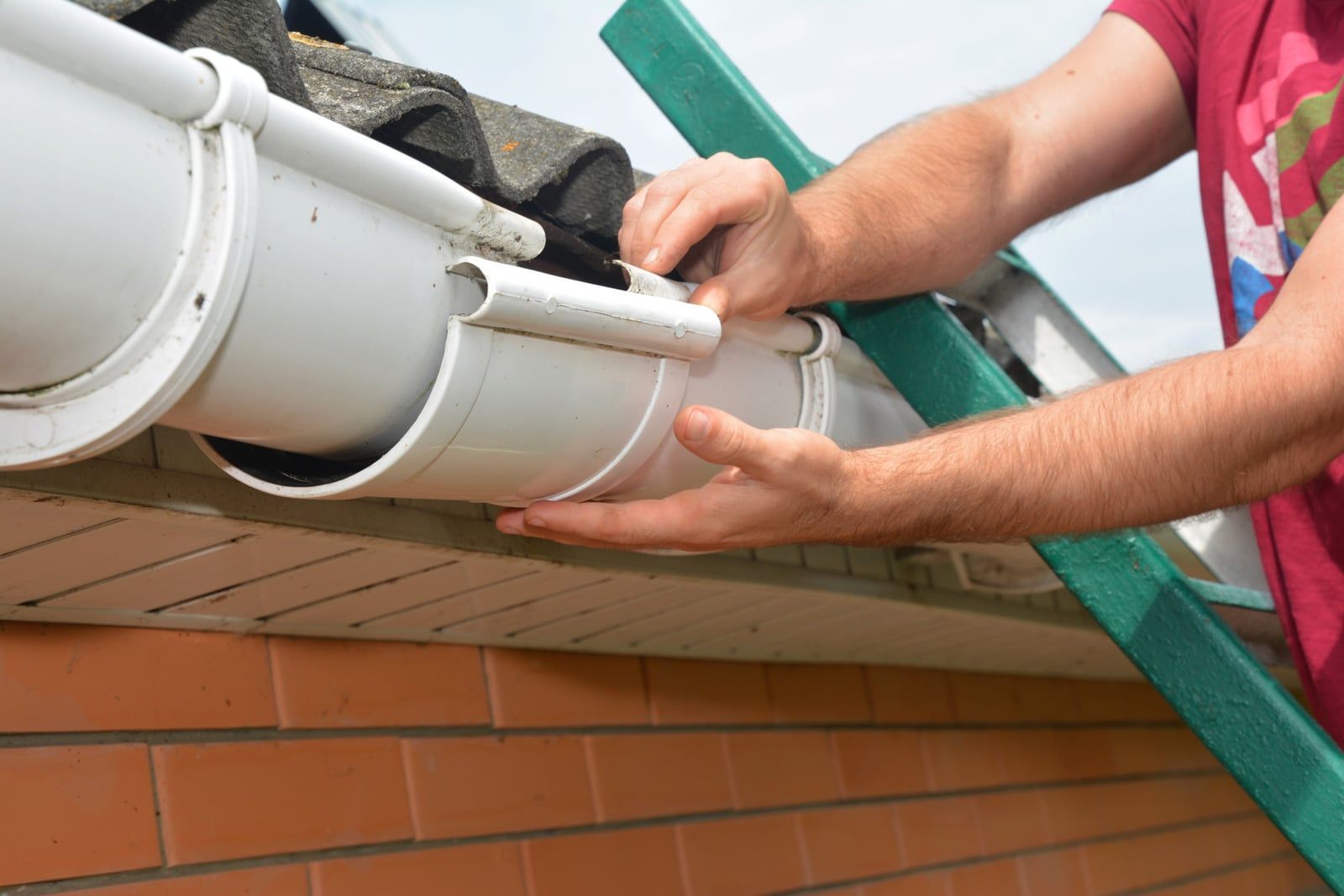
Clearing your gutters at the same time helps too, since standing water and trapped debris give moss another foothold. Keep both in check and your roof stays cleaner for longer.
And when it does need doing again, the gentle method keeps your roof in good shape for the next round.
Frequently Asked Questions
Is soft washing strong enough to remove heavy moss?
Yes. The biocide kills even thick moss at the root. It dies back and clears away, without the force that damages tiles.
Will pressure washing really damage my roof?
It can. High pressure cracks tiles, strips slate and coatings, and drives water under the roof covering. That's why it isn't our method of choice.
How long does a soft wash last?
In the Welsh climate you can expect a good while before moss returns, helped by the biocide. Exact timing depends on shade, nearby trees, and how wet your spot is.
Is soft washing safe for slate?
It is. Low pressure clears the moss while leaving aged slate and its fixings undisturbed, which is exactly what a slate roof needs.
Do you soft wash roofs anywhere in Wales?
Yes. Ben's Roof Cleaning uses low-pressure soft washing on roofs across Wales, north and south.
Not sure whether your roof needs soft washing?
Ben's Roof Cleaning works across Wales, with over 15 years of experience. Get in touch or call 07889 127153
for a free, no-obligation quote.
Gentle wins on a Welsh roof
The flashy pressure-wash videos sell a quick thrill, but your roof isn't a driveway. Force that suits concrete can wreck slate and old tile, and in a climate this wet, any water pushed inside becomes a real problem.
Soft washing gets the same clean look while protecting what's underneath. For Welsh slate and older roofs especially, the gentle route is the smart one. Your roof stays clean, stays sound, and stays right where it should be.