Why the Welsh Climate Makes Your Roof a Magnet for Moss
Look up at your roof after a wet Welsh spring and you'll often spot it. Green patches, dark streaks, and clumps of moss sitting along the tile edges. That's not just Wales being Wales. It's your roof reacting to one of the dampest climates in Britain.
Moss and algae don't pick roofs at random. They settle where the conditions suit them, and Wales hands them nearly everything they want.
The quick answer: Wales is wet, mild, and often shaded, which is exactly what moss and algae need to spread. Rain off the Atlantic keeps roofs damp for long stretches, and mild winters rarely kill the growth off. Regular roof cleaning and moss removal keep it in check before it starts to lift and crack your tiles.
1. Rain off the Atlantic barely lets up
Wales sits right in the path of weather systems rolling in off the Atlantic. Those systems carry a lot of moisture, and when they hit the Welsh hills they dump it. The Met Office describes Wales as a mainly mountainous country with a wet, mild, maritime climate, and anyone who lives here already knows the rain gauge fills fast.
All that rain means your roof rarely gets a proper chance to dry out. Tiles that stay damp for days on end turn into the perfect bed for moss spores and algae to take hold.
And it's not seasonal. Even a decent summer here brings its share of grey, drizzly weeks.
2. Mild winters keep moss alive year round
In colder countries, a hard frost can knock moss right back. Wales doesn't get that reset very often. The climate here is mild, especially near the coast, so winter temperatures rarely stay low enough for long enough to kill growth off.
That means moss on a Welsh roof isn't a summer visitor. It's a permanent resident that keeps creeping across your tiles through autumn, winter, and spring.
You end up with a head start on green every single year, unless someone clears it.
3. North-facing slopes stay wet the longest
Take a walk around any Welsh village and look at the roofs. The slope facing north or east is almost always the greenest. That side gets the least sun, so it holds moisture much longer after rain.
Moss loves shade and damp, so that's where it thrives first and thickest. If your house sits below trees or in a tight valley terrace, the whole roof can stay shaded and the problem spreads across both slopes.
Check that shaded side yourself sometime. That's usually where the trouble starts.
4. The uplands cop the heaviest rain of all
Rainfall in Wales isn't spread evenly. The uplands soak up far more than the coast or the lowlands. Parts of Eryri, the mountains many still call Snowdonia, are among the wettest places in the whole of the UK, with the very wettest spots recording well over three metres of rain a year.
The Bannau Brycheiniog, or Brecon Beacons, get a proper drenching too. If your home sits in or near these higher, wetter areas, your roof faces a tougher fight than most.
More rain, more damp days, more moss. The maths is pretty simple.
5. What moss actually does to your tiles
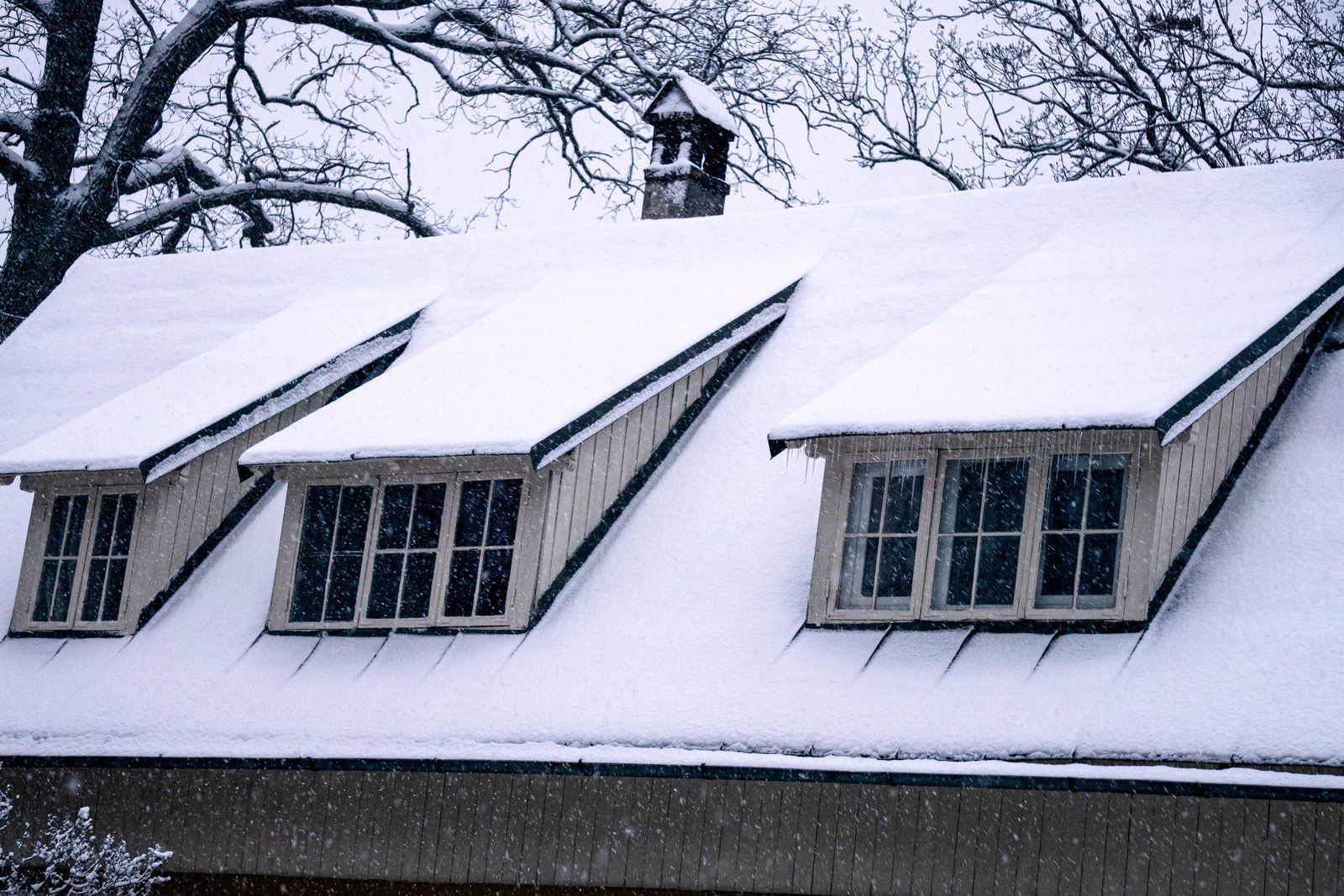
Moss isn't just a cosmetic thing. As it grows, it holds water against the surface of your tiles and slates, and that constant damp speeds up wear. On a freezing night, water trapped in moss expands as it turns to ice, which can crack tiles and loosen their edges.
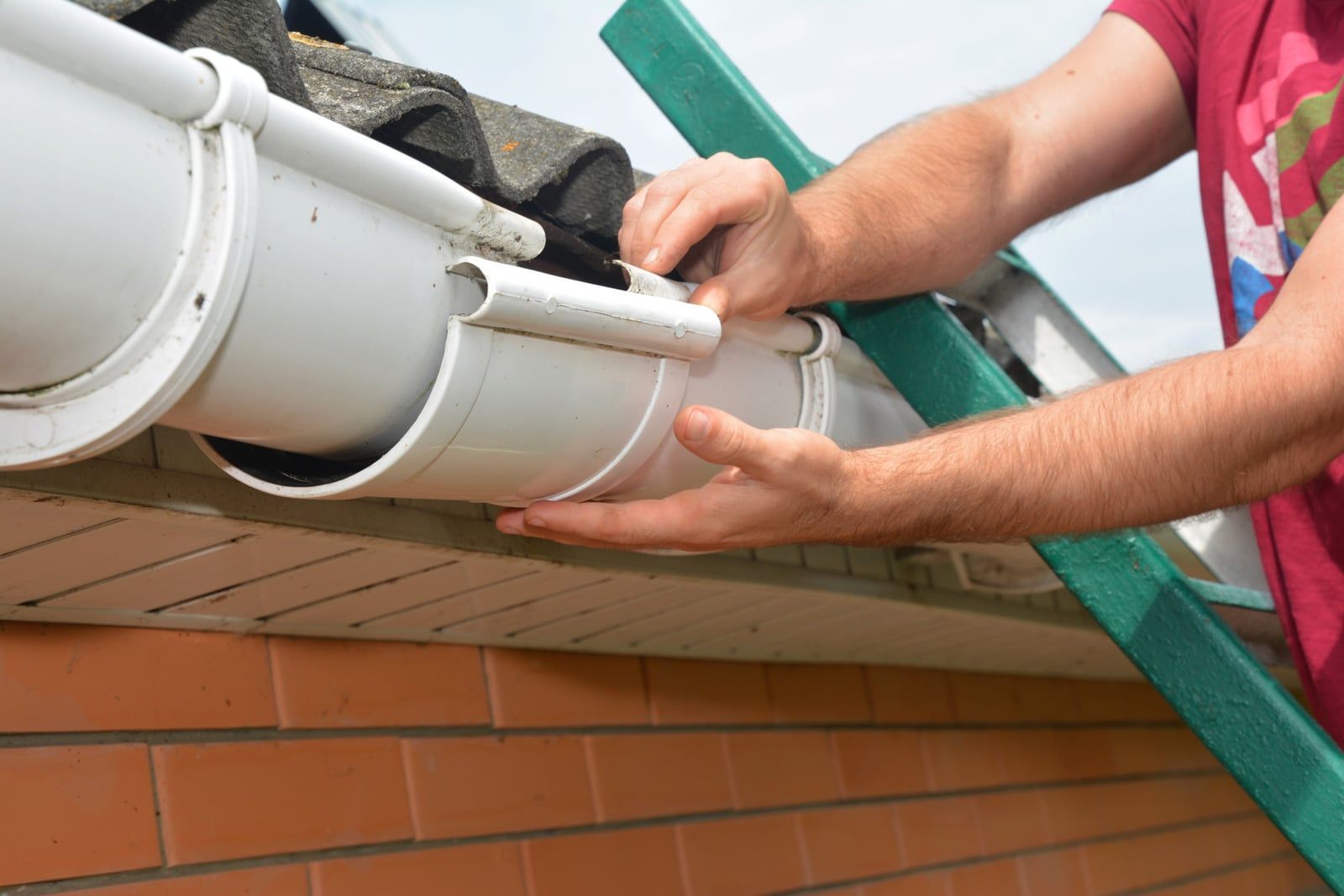
Clumps of moss also break off and wash down into your gutters. Once that happens, you've got blockages, overflow, and damp creeping down your walls.
Left alone, a green roof slowly becomes a leaking roof. That's the part most people miss until there's a stain on the ceiling.
6. Keeping on top of it, and what shapes the cost
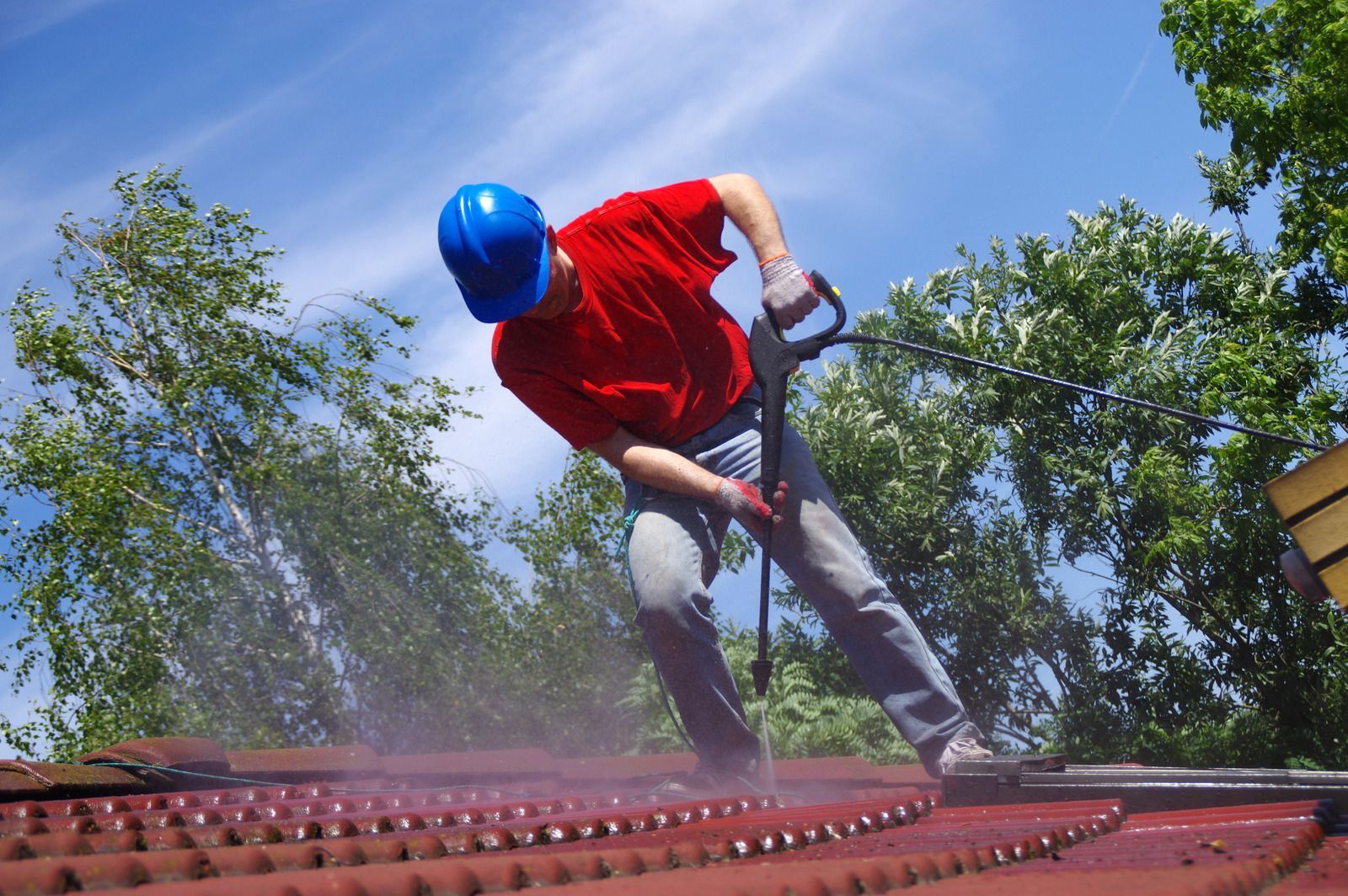
The good news is moss and algae respond well to proper cleaning. A soft wash, meaning low-pressure water paired with a biocide, lifts the growth without hammering your tiles. It clears what's there and slows down what tries to come back. If you ask me, catching it early is far cheaper than waiting for the damage to show.
Plenty of things affect what a job like this costs. Here's what usually matters most:
- Roof size and pitch: a bigger or steeper roof takes more time and more care to work on safely.
- How bad the growth is: a light film of algae clears faster than years of thick, matted moss.
- Access: tight valley terraces, tall Victorian houses, and awkward extensions all make the work trickier.
- Roof material: old Welsh slate needs a gentler touch than modern concrete tile.
- Gutter condition: if moss has already filled the gutters, they'll need clearing as part of the job.
But nobody can give you a real figure without seeing the roof. Knowing what drives the price just helps you make sense of any quote you get.
Frequently Asked Questions
How often should I have my roof cleaned in Wales?
With this climate, many homeowners find every two to three years keeps moss under control. Shaded or upland roofs often need it more often than that.
Does moss really damage a roof, or is it just ugly?
It does real harm. Moss traps water against the tiles, and trapped water that freezes can crack them and loosen edges over time.
Can't I just pressure wash it off myself?
High pressure can strip the surface off tiles and slate and force water underneath them. A low-pressure soft wash is far safer, which is why it's the method we use.
Will the moss grow back after cleaning?
In a climate this damp, some regrowth is normal over time. A biocide treatment slows it down, and periodic cleaning stops it taking a firm hold again.
Do you work across all of Wales?
Yes. Ben's Roof Cleaning covers homes right across Wales, north and south, coast and valleys.
Is your roof already turning green?
Ben's Roof Cleaning works across Wales, with over 15 years of experience. Get in touch or call 07889 127153
for a free, no-obligation quote.
Welsh weather won't change, but your roof doesn't have to stay green
The rain, the mild air, and the shade aren't going anywhere. That's just the climate we live in. Your roof will keep attracting moss and algae because the conditions here practically invite it.
The part you can control is how long it's left to build up. Clear it on a sensible schedule and your tiles last longer, your gutters stay clear, and you dodge the slow damage that catches people out. A green roof is common in Wales. It doesn't have to be yours.